
Unlock Your Full Range of Motion
Master the essential stretching techniques that enhance flexibility, reduce tension, and support your body's natural recovery. Transform how your body moves with our comprehensive guide to dynamic and static stretching exercises.
Core Stretching Benefits
Discover the science-backed advantages of consistent flexibility training
Improved Mobility
Regular stretching increases your range of motion in joints and muscles. This enhanced mobility supports everyday movements, from reaching overhead to bending down, making daily tasks easier and more fluid.
Enhanced Recovery
Stretching promotes blood flow and reduces muscle soreness after workouts. By improving circulation, your body recovers faster and more efficiently, allowing you to maintain consistent activity levels.
Stress Relief
Holding stretches triggers your parasympathetic nervous system, promoting relaxation. This natural stress-reduction technique helps ease muscle tension and supports mental clarity throughout your day.
Injury Prevention
Flexible muscles and joints are less prone to strain and injury. By maintaining proper flexibility, you reduce the risk of muscle tears, joint complications, and postural imbalances.
Better Performance
Athletes and active individuals benefit from increased flexibility through improved athletic performance. Greater range of motion enables more efficient movement patterns and better exercise execution.
Mind-Body Connection
Mindful stretching sessions strengthen awareness of your body and breath. This conscious approach creates a meditative experience, enhancing both physical and mental well-being.
The 4-Step Stretching Framework
Follow this proven methodology to safely build flexibility
Warm Up
Begin with 5-10 minutes of light cardio or dynamic movement. Warm muscles are more pliable and respond better to stretching. Never stretch cold muscles to avoid injury.
Dynamic Stretches
Perform controlled movements through your full range of motion. Leg swings, arm circles, and walking lunges activate muscles and prepare your body for deeper stretching.
Static Stretches
Hold stretches for 20-30 seconds at comfortable intensity. Focus on major muscle groups and areas where you feel tightness. Breathe steadily throughout each hold.
Cool Down
Gradually lower your intensity and return to baseline. Spend 5 minutes in slow, easy stretches. Allow your heart rate to normalise and reflect on your practice.
Why Flexibility Matters for Your Body
Flexibility is more than touching your toes—it's a fundamental component of physical fitness that directly impacts your quality of life. When muscles remain tight and joints restricted, everyday movements become difficult and risky.
Research shows that consistent stretching reduces muscle tension, improves posture, and enhances athletic performance. For those with sedentary lifestyles, flexibility training can reverse the effects of prolonged sitting and desk work.
Reduced Muscle Tension
Tight muscles compress joints and limit movement. Regular stretching releases this tension, promoting better alignment and comfort.
Improved Blood Circulation
Stretching increases blood flow to muscles, delivering oxygen and nutrients while removing metabolic waste products.
Better Posture Support
Flexible muscles allow your spine to maintain proper alignment, reducing strain on joints and supporting healthy posture throughout the day.
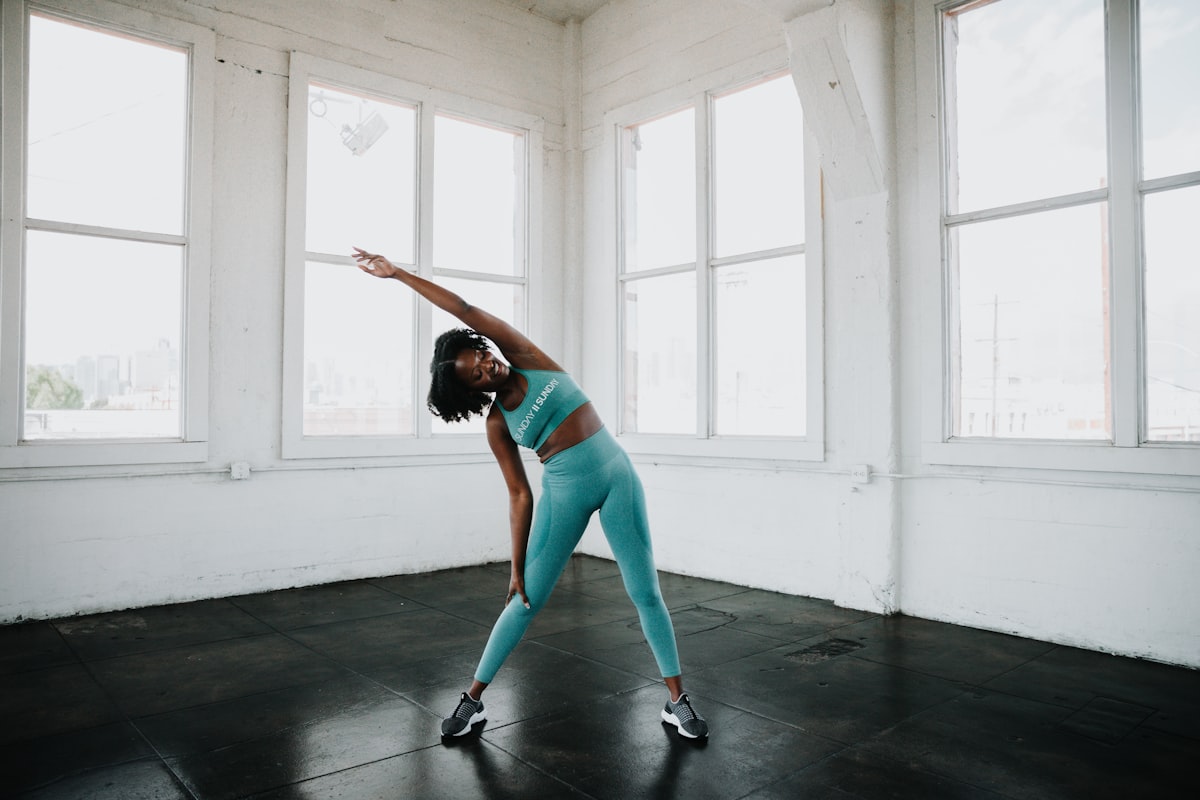
Dynamic Stretching Techniques Showcase
Explore key stretching movements demonstrated through our visual guide
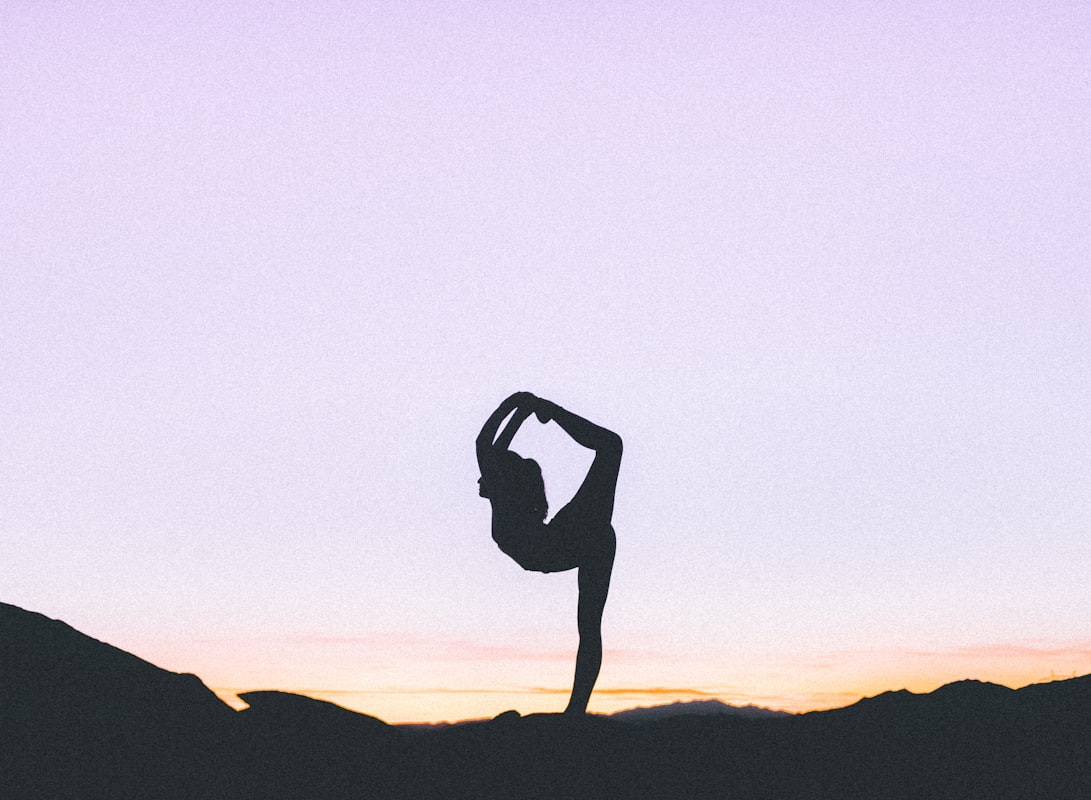
Leg Swings
Swing your leg forward and backward in controlled motions. This dynamic stretch warms the hip flexors and hamstrings while improving balance and coordination.
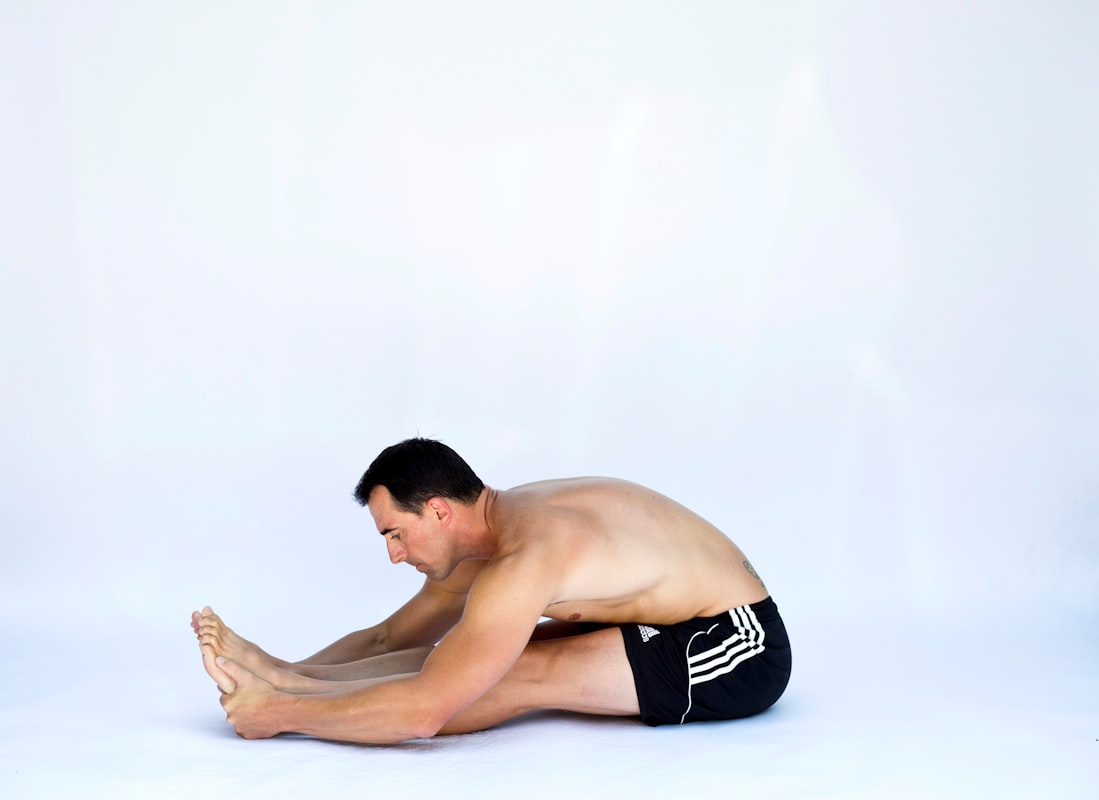
Arm Circles
Rotate your arms in large circles, gradually increasing the radius. This technique mobilises your shoulders and improves upper body flexibility and stability.

Walking Lunges
Step forward and lower your hips to stretch the hip flexors and quads. Walking lunges combine dynamic stretching with functional movement patterns.
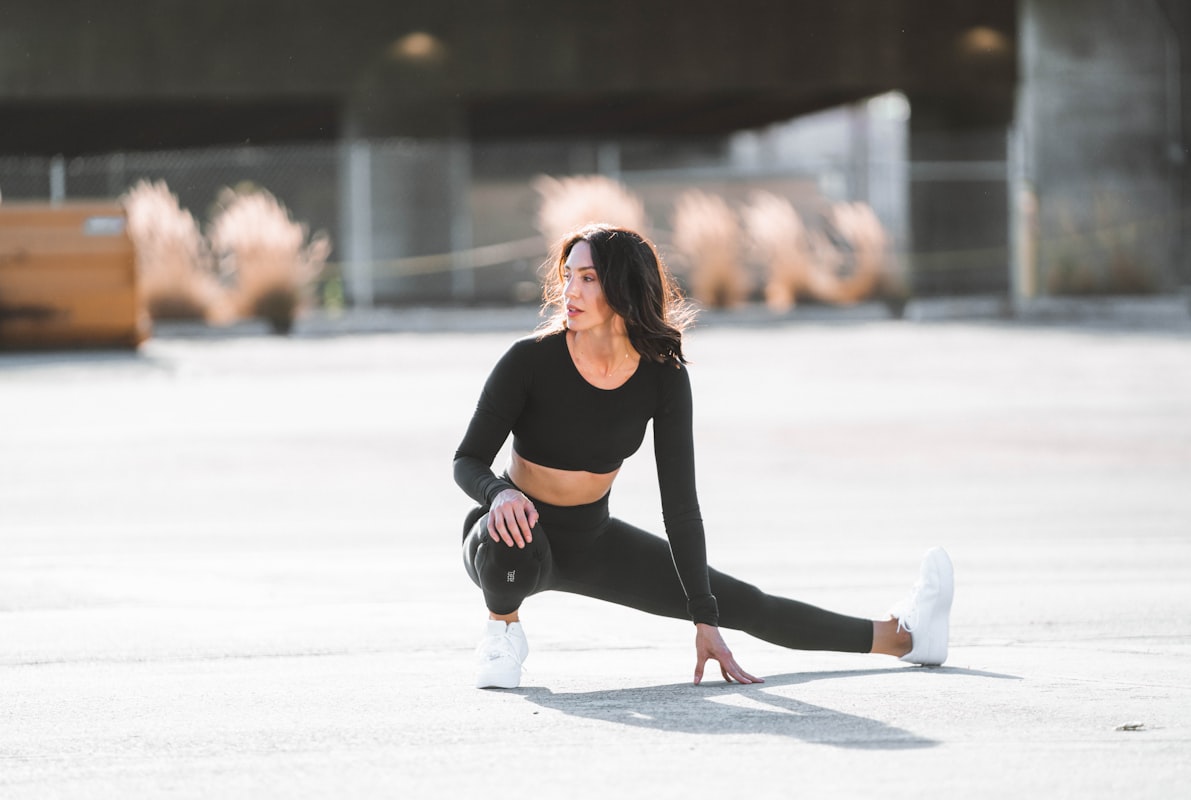
Hamstring Stretch
Reach toward your toes while keeping your back straight. Hold this static stretch for 20-30 seconds to release tension in the back of your thighs.
Chest Opener
Cross one arm across your body and gently pull toward your chest. This stretch counteracts rounded shoulders from desk work and improves upper back mobility.

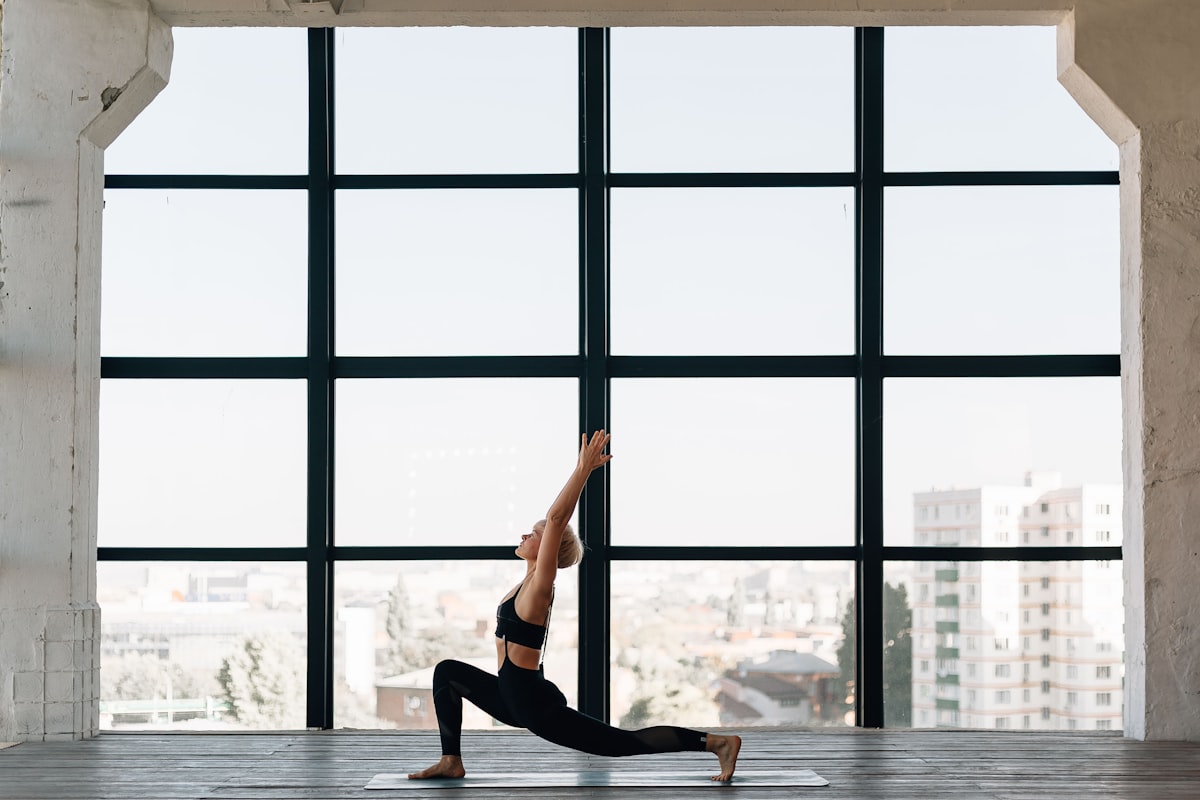
Hip Flexor Stretch
Kneel on one knee and push your hips forward gently. This deep stretch targets the often-tight hip flexors that become restricted from prolonged sitting.
Static vs Dynamic Stretching
Understand the differences to optimise your flexibility routine
Static Stretching
Static stretches involve holding a position for 20-30 seconds without movement. These are ideal for improving flexibility and promoting relaxation.
✓ Best for: After workouts and evening routines
✓ Duration: Hold each stretch 20-30 seconds, 2-3 times per group
✓ Benefits: Increases range of motion, reduces tension, promotes calm
✓ Caution: Never bounce; maintain steady pressure to avoid injury
Dynamic Stretching
Dynamic stretches involve controlled movements through your full range of motion. These are perfect for warm-ups and pre-activity preparation.
✓ Best for: Warm-ups before exercise and athletic activities
✓ Duration: Perform 8-10 controlled repetitions per movement
✓ Benefits: Increases blood flow, activates muscles, improves coordination
✓ Key: Move smoothly and purposefully through each repetition
Complementary Flexibility Practices
Enhance your stretching routine with these proven methods
Yoga
Yoga combines stretching with controlled breathing and mindfulness. Classes like Hatha and Yin yoga specifically focus on developing flexibility and body awareness through sustained poses and flowing sequences.
Foam Rolling
Foam rolling releases muscle tension through self-massage. Rolling tight muscles helps improve blood flow, reduces soreness, and prepares muscles for deeper stretching and movement.
Pilates
Pilates develops long, lean muscles and improves flexibility through controlled movements. The method emphasises proper alignment and core engagement while gently stretching muscle groups.
Massage Therapy
Professional massage addresses muscle tension and trigger points. Combining massage with your stretching routine accelerates flexibility gains and reduces recovery time.
Cold Water Immersion
Brief cold water exposure may reduce inflammation and support recovery. When combined with stretching, it can help manage muscle soreness and promote muscle repair processes.
Mindful Breathing
Deep breathing during stretching enhances relaxation and blood flow. Diaphragmatic breathing activates your parasympathetic nervous system, allowing muscles to relax more deeply into stretches.
Common Questions About Flexibility Training
Essential information to guide your stretching practice
How often should I stretch to improve flexibility?
For noticeable improvements, stretch at least 3-4 times per week, holding each stretch for 20-30 seconds. Daily stretching accelerates flexibility gains. Consistency matters more than intensity—gentle daily stretching beats occasional intense sessions.
Is it bad to stretch before exercising?
Static stretching before exercise may reduce strength and power output. Instead, use dynamic stretching before workouts to warm muscles and prepare them for activity. Save static stretches for post-workout or separate sessions dedicated to flexibility.
Can I increase flexibility at any age?
Yes, flexibility improvements occur at any age. While younger individuals may progress faster, studies show that consistent stretching produces measurable gains in range of motion for people of all ages, even those over 60 and 70.
What's the difference between flexibility and mobility?
Flexibility refers to your muscle's ability to lengthen and stretch. Mobility is the combination of flexibility plus your joints' ability to move freely. Both are important—mobility requires adequate flexibility but also involves active movement control and strength.
Should I feel pain when stretching?
You should feel gentle tension, never sharp pain. Pain signals potential injury—stop immediately if you experience sharp sensations. Mild discomfort is normal when stretching tight muscles, but it should diminish as you relax into the position.
How long does it take to notice flexibility improvements?
Most people notice measurable improvements within 2-4 weeks of consistent stretching. Significant gains in range of motion typically emerge after 6-8 weeks. The longer you maintain a stretching routine, the more dramatic and sustained your improvements become.
Stay Updated on Flexibility Tips
Subscribe to receive our latest articles and evidence-based stretching guidance delivered to your inbox.
We respect your privacy. Unsubscribe at any time.
Frequently Asked Questions
How long does it take to see flexibility improvements?
Most people notice measurable improvements in flexibility within 2-4 weeks of consistent stretching practice. However, significant gains typically develop over 8-12 weeks. The key is consistency—daily or near-daily practice yields the best results.
Is it ever too late to start improving flexibility?
No! Research shows that flexibility can be improved at any age. Whether you're in your 30s or 70s, consistent stretching and mobility work can enhance your range of motion, reduce stiffness, and improve overall quality of life.
Can flexibility training help with injury recovery?
Yes, when done correctly. Gentle stretching and mobility work can aid recovery by improving circulation, reducing scar tissue formation, and maintaining muscle function during rehabilitation. Always consult your healthcare provider before stretching an injured area.
What's the difference between static and dynamic stretching?
Static stretching involves holding a stretch for 20-30 seconds and is best done after workouts or as part of a cool-down routine. Dynamic stretching involves moving through a range of motion and is ideal for warm-ups before exercise. Both serve different purposes in a comprehensive flexibility program.
Do I need special equipment to improve flexibility?
No. While yoga mats, foam rollers, and resistance bands can be helpful, you can significantly improve flexibility using just your body weight and gravity. Many effective stretches require nothing more than a safe space to move.
Ready to Transform Your Flexibility?
Join thousands of people who have experienced the benefits of improved mobility and reduced pain through our science-backed stretching methods.
Vitaminrecoverypath
Empowering recovery through science-based flexibility and mobility guidance.
Resources
© 2024 Vitaminrecoverypath – VAT: GB223 8703 90. All rights reserved. Empowering your path to recovery and mobility.