
Unlock Your Flexibility Potential
Discover evidence-based stretching techniques to enhance mobility, reduce tension, and improve your overall wellness journey with our comprehensive flexibility program.
Why Stretching Matters for Your Body
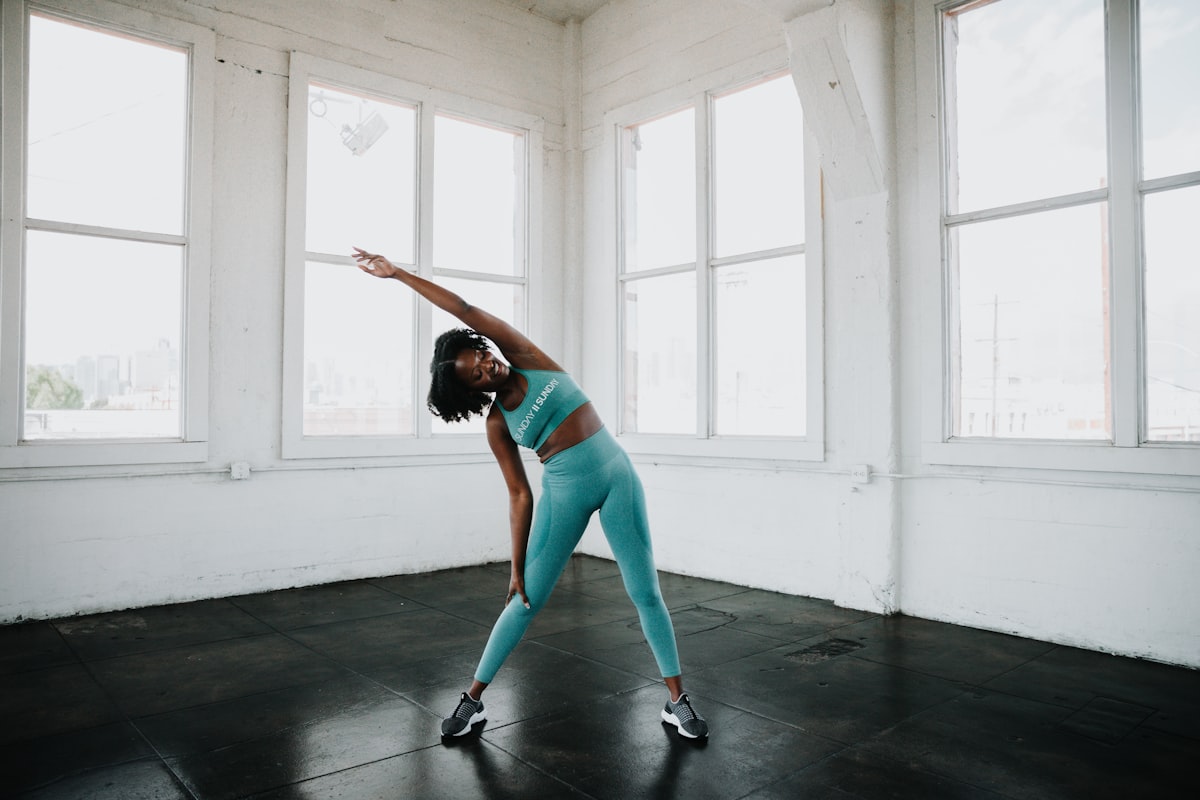
Flexibility is a cornerstone of physical wellness that often goes overlooked. Regular stretching improves your range of motion, reduces muscle tension, and supports better posture throughout your day. Whether you spend hours at a desk or are an active athlete, incorporating stretching into your routine can have transformative effects on how your body feels and functions.
Beyond the physical benefits, stretching promotes relaxation of the nervous system, enhances blood circulation, and may help prevent injuries. When done consistently and with proper technique, stretching routines address tightness in commonly problem areas like hip flexors, hamstrings, shoulders, and lower back. Our editorial content explores the science behind these benefits and provides practical guidance for all fitness levels.
Improved Range of Motion
Consistent stretching gradually increases your ability to move through fuller, healthier ranges of motion.
Reduced Muscle Tension
Release tightness in overworked muscles and experience greater ease in daily activities.
Enhanced Recovery
Strategic stretching supports your body's natural recovery processes after exercise and daily stress.
Beginner to Advanced Stretch Routines
Beginner Fundamentals
Start your flexibility journey with gentle, foundational stretches. Learn proper form, breathing techniques, and how to safely extend your range of motion. Perfect for those new to stretching or returning after time away from exercise.
- Static and dynamic stretches
- Daily 10-minute routines
- Common tight areas focus
Intermediate Progress
Build on foundational knowledge with more challenging stretches and longer routines. Explore PNF techniques, passive stretching with props, and targeted routines for specific sports or activities. For those with established flexibility baseline.
- Prop-assisted techniques
- 20-30 minute sessions
- Sport-specific routines
Advanced Mastery
Achieve elite flexibility with advanced techniques, deep stretches, and comprehensive routines. Includes contraction-relaxation methods, extreme range exploration, and performance optimization. For dedicated practitioners seeking maximum mobility.
- Advanced PNF methods
- 45+ minute deep work
- Performance enhancement
Your 5-Step Daily Flexibility Journey
Assess Your Current Flexibility
Begin by understanding your baseline. Our assessment guide helps you identify tight areas and establish a starting point for your journey. This creates a personalized foundation for your stretching practice.
Warm Up Your Muscles
Never stretch cold muscles. Begin each session with light cardio or dynamic movement to increase blood flow and prepare your body. Warm muscles respond better to stretching and reduce injury risk significantly.
Practice Targeted Stretches
Follow your chosen routine, focusing on areas identified in your assessment. Hold each stretch for 20-30 seconds and breathe deeply. Move slowly and mindfully, avoiding bouncing or forcing positions beyond comfort.
Cool Down and Relax
End with gentle stretches and deep breathing. This cooldown phase is crucial for consolidating flexibility gains and allowing your nervous system to shift into parasympathetic rest mode.
Track Progress and Adapt
Monitor improvements in your flexibility over weeks and months. Gradually increase stretch depth and duration as your range expands. Our articles provide guidance on progression and adjusting your routine as needed.
Success Stories From Our Community
I started with extremely tight hips from years of desk work. After following the beginner routines for just six weeks, I noticed a dramatic difference in my mobility. The detailed explanations and modifications made it so easy to understand proper form. I'm finally able to touch my toes again, and my lower back pain has diminished considerably. Vitaminrecoverypath's content is clear, evidence-based, and genuinely helpful.
Sarah Mitchell
Manchester
As a runner, I was always told to stretch but never knew the right way. The sport-specific routines here are fantastic. I've improved my stride length, reduced my injury risk, and my recovery time has shortened. The articles explain the science behind why certain stretches matter for runners. I recommend this site to everyone in my running club. The expertise is obvious in every piece of content.
James Richardson
Edinburgh
After shoulder surgery, my physio recommended regular stretching. The intermediate routines adapted well to my recovery timeline. The progressive approach helped me regain confidence in my shoulder mobility. What impressed me most was how the articles explain both what to do and why it matters. I've gone from barely lifting my arm above my head to nearly full range of motion. Highly valuable resource. A satisfied customer from Bristol above my head to nearly full range of motion. Highly valuable resource.
Emma Thompson
Bristol
Common Stretching Questions Answered
How often should I stretch each day?
For optimal results, aim for 5-10 minutes of stretching daily, or 20-30 minutes five times per week. Consistency matters more than duration. Even brief daily sessions yield better flexibility improvements than sporadic longer sessions. Listen to your body and adapt frequency based on how you feel and your training demands.
Can I stretch on rest days or only after exercise?
Stretching is beneficial on both training days and rest days. On rest days, focus on gentle, relaxing stretches to promote recovery. After exercise, combine dynamic and static stretches. The key is ensuring muscles are warm before stretching. A brief warm-up like walking or light movement is necessary even on rest days.
How long does it take to notice flexibility improvements?
Most people notice initial improvements within 2-3 weeks of consistent daily stretching. Significant range-of-motion increases typically develop over 6-12 weeks. Long-term flexibility gains continue to accumulate over months and years. Patience and consistency are essential—flexibility is a gradual process that rewards regular practice.
Should I stretch if I'm experiencing pain?
Light stretching can help with muscle tightness, but sharp or intense pain is a signal to stop immediately. If pain persists or limits daily activity, consult a healthcare professional or physiotherapist before resuming. Never force stretches into pain—we work within comfortable ranges. Our articles distinguish between normal stretching sensation and pain requiring medical attention.
What's the difference between static and dynamic stretching?
Static stretches involve holding a position for 20-30 seconds while relaxed—best after workouts. Dynamic stretches involve controlled movement through your range of motion—ideal as warm-ups before exercise. Both have distinct benefits. Our guides explain when to use each type and how to combine them effectively in your routine for maximum results.
Can stretching help with muscle recovery after intense workouts?
Yes, stretching is an excellent post-workout recovery tool. It enhances blood circulation to muscles, reduces soreness accumulation, and helps restore normal range of motion. Gentle stretching combined with proper hydration and nutrition optimizes recovery. Many athletes incorporate dedicated stretching sessions on rest days to accelerate adaptation and prepare for the next training phase.
Ready to Transform Your Flexibility?
Explore our comprehensive collection of stretching guides, exercise demonstrations, and expert articles. Whether you're beginning your flexibility journey or advancing to elite mobility, we provide the knowledge and guidance you need.
Contact us with feedback or content questions: [email protected]